

Menopause, Hormones, and How Mushrooms Help
What Is Menopause & Why Hormones Matter Menopause and the years leading up to it
Understanding Psilocybin: How It Affects the Body and What You Should Know Before Exploring Its Benefits
Psilocybin—the naturally occurring compound found in certain species of psychedelic mushrooms—is at the center of a growing conversation around mental health, healing, and human potential. Psilocybin was previously dismissed, ignored, or considered outside the boundaries of mainstream or accepted medical practice, and is interestingly now being studied in clinical trials and explored by therapists, neuroscientists, and conscious individuals for its therapeutic and transformative potential.
But what exactly does psilocybin do in the body? How can it support mental health? And what precautions should you take before considering its use?
When consumed, psilocybin is metabolized into psilocin, the active compound that crosses the blood-brain barrier and binds primarily to 5-HT2A serotonin receptors. This interaction can lead to a temporary restructuring of how the brain processes information, emotions, and perception. Key effects include:
Scientific and anecdotal reports highlight a range of benefits associated with psilocybin when used intentionally and under proper guidance:
While psilocybin holds potential, it’s not without risk. Here are essential factors to weigh before deciding to explore it:
It’s important to remember that psilocybin is not intended for daily or casual use. It functions best as a periodic therapeutic tool, not a wellness supplement.
For everyday cognitive, immune, and mood support, consider incorporating functional mushrooms like lion’s mane, cordyceps, or reishi into your routine. These non-psychoactive fungi offer powerful health benefits without altering perception.
Psilocybin represents a compelling frontier in the future of mental health and personal growth. Its ability to support deep healing, spark creativity, and unlock new perspectives is being validated by science and lived experience alike.
But with that power comes responsibility. Whether you’re exploring psilocybin for healing, insight, or growth, education, intention, and integration are critical. Always prioritize safety, legality, and personal readiness.
Would you explore psilocybin as a tool for healing or self-discovery? Share your thoughts or experiences with us—we’d love to hear your perspective.
*These statements have not been evaluated by the Food and Drug Administration. This content is for informational purposes only and is not intended to diagnose, treat, cure, or prevent any disease.

Disclaimer: The information contained on the WholeSun Wellness website is for educational and informational purposes only. It is not intended and should not be understood or construed as medical or health advice. We expressly recommend you seek advice from your medical or health professional. The following is WholeSun Wellness proprietary information and subject to copyright.
What Is Menopause & Why Hormones Matter Menopause and the years leading up to it
How Mushrooms Can Enhance Sexual Function for Men and Women Sexual health is complex—far from
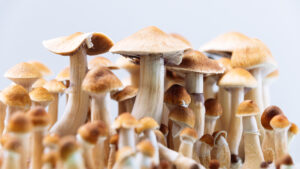
Understanding Psilocybin: How It Affects the Body and What You Should Know Before Exploring Its
This promotion offers 20% off all supplements from on September 7th, 2025, until October 7th, 2025, excluding subscriptions. Discount applied at checkout. The offer cannot be combined with any other discounts or promotional offers and is not eligible for subscription orders. This promotion applies to one-time purchases only and is subject to change or cancellation at any time without prior notice. All sales are subject to our standard terms and conditions, including our return and exchange policy. For any questions or concerns, please contact our customer service team.
This promotion offers 15% off all supplements from on May 1, 2025, to 11:59 PM on May 15, 2025, excluding subscriptions. Discount applied at checkout. Must apply discount at checkout. Use code “25SALE”. The offer cannot be combined with any other discounts or promotional offers and is not eligible for subscription orders. This promotion applies to one-time purchases only and is subject to change or cancellation at any time without prior notice. All sales are subject to our standard terms and conditions, including our return and exchange policy. For any questions or concerns, please contact our customer service team.